 METAL SKY HIGH PPG SCHOOL
Train with a qualified instructor
Learn glider control, ground handling, launch and landing technique, weather judgment, airspace awareness, emergency decision-making, and safe motor operation with hands-on instruction.
Paramotoring is an accessible and rewarding form of aviation, but good decisions, quality instruction, and consistent equipment checks matter on every flight.
These tips are general guidance and are not a substitute for professional flight training, aircraft-specific instructions, local site rules, or applicable FAA regulations.
Learn glider control, ground handling, launch and landing technique, weather judgment, airspace awareness, emergency decision-making, and safe motor operation with hands-on instruction.
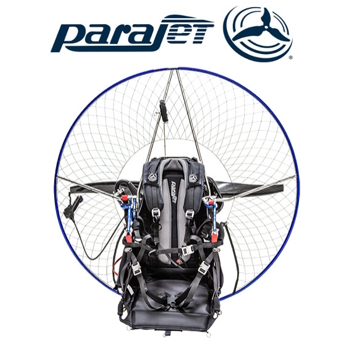
Use a wing and paramotor appropriate for your experience, loading, and type of flying. Inspect used equipment carefully and get experienced help when its history or condition is uncertain.
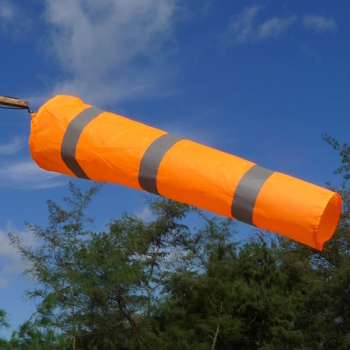
Check wind, gusts, precipitation, visibility, and changing conditions before launch. Consider the entire flight area—not just what the air looks like at your launch point.
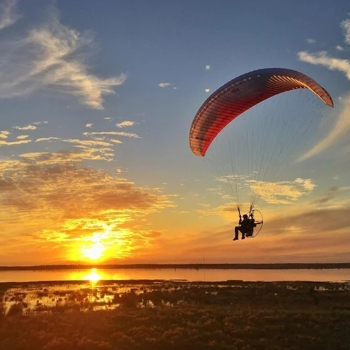
Progress gradually. Avoid conditions, maneuvers, sites, and situations that exceed your training or current proficiency. Walking away from a questionable flight is good aviation judgment.
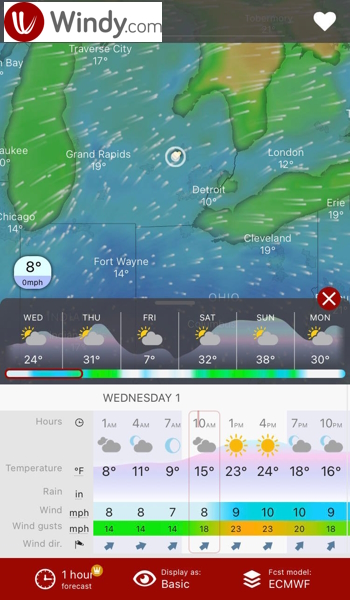
Know your launch and landing areas, obstacles, airspace, traffic, and emergency landing options. Weather and navigation apps can help, but they do not replace pilot judgment or on-site observation.
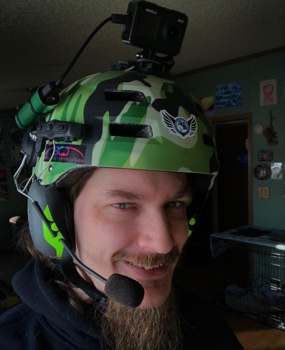
A helmet, hearing protection, gloves, weather-appropriate clothing, and other appropriate protective equipment can reduce exposure to routine hazards and improve comfort and focus.

Check the frame, harness, wing, lines, fuel system, propeller, fasteners, controls, reserve system, and anything that could loosen or enter the propeller. Verify throttle operation before every flight.
Understand the rules that apply to your operation and airspace. Continuously scan for aircraft, obstacles, changing weather, and landing options. Do not let routine flights turn into complacent flights.
Metal Sky High provides structured beginner training with hands-on coaching, small classes, and a safety-first progression.
Request Training Dates